March 18, 2026
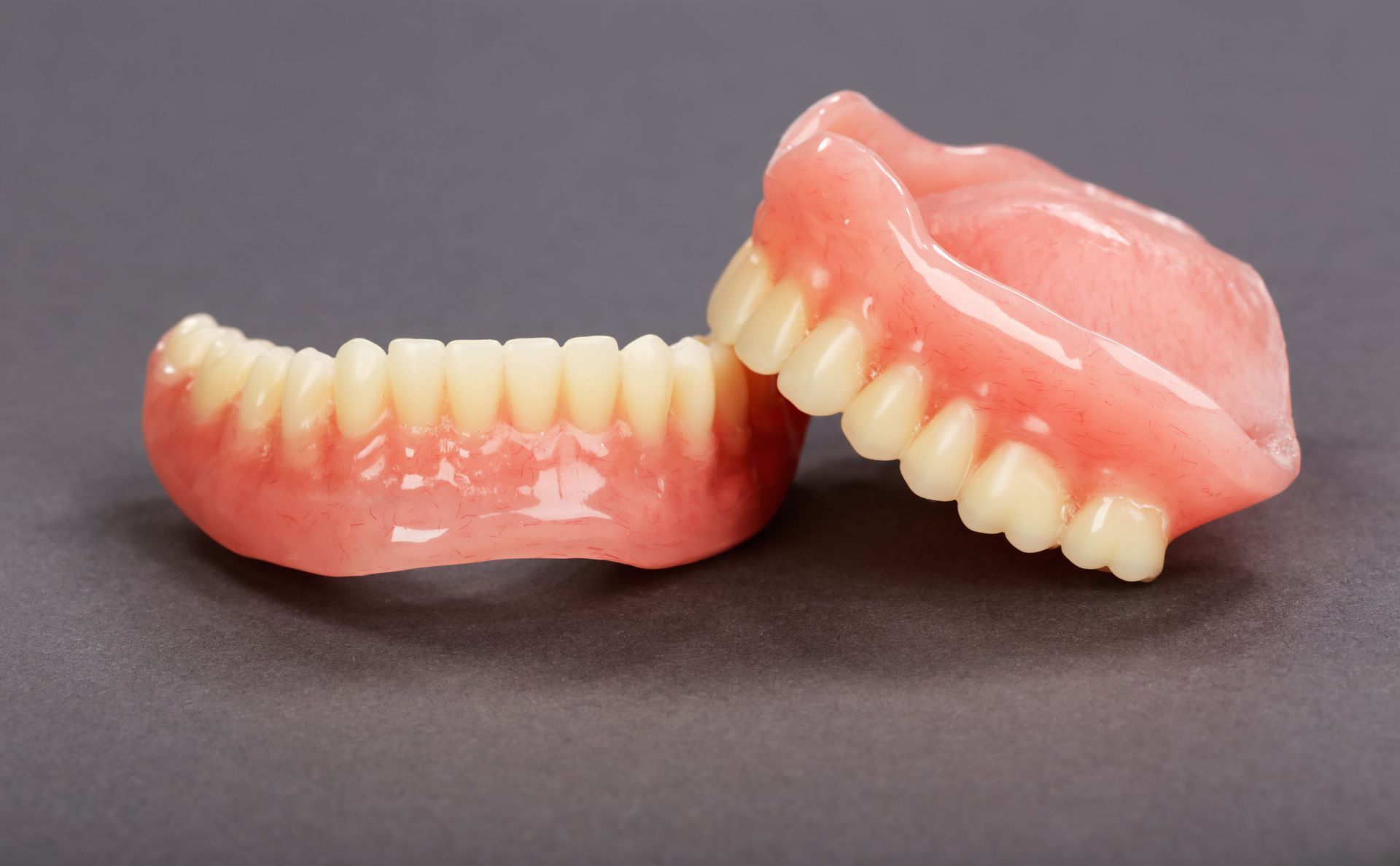
Dentures play a pivotal role in oral health, offering a functional and aesthetic replacement for missing teeth. Over time, however, denture wearers may encounter various challenges that compromise both comfort and functionality. These issues lead to crucial decisions regarding whether to fix, replace, or upgrade one's dentures, and understanding these options is essential for maintaining oral health. In many cases, timely denture repairs can restore both function and comfort without the need for a full replacement.
In the realm of oral health, dentures have been heralded as life-changing devices that restore not just the ability to eat and speak properly, but also confidence. However, as with any dental appliance, dentures are not impervious to damage. The decision-making process surrounding the maintenance of dentures often requires professional insight and a careful assessment of individual needs.
Navigating the decision to repair, replace, or upgrade dentures can be daunting. It involves weighing various factors such as the severity of the issue, the cost implications, and the potential benefits of modern advancements. Thorough understanding and information are keys that empower individuals to make confident choices about their oral health and overall well-being.
Understanding Common Denture Problems
Dentures, though sturdy, can fall victim to breakage and fractures due to accidental drops or the application of excessive force. These incidents impact the efficacy of dentures, leading to discomfort or rendering them entirely unusable. Repairing fractured dentures often requires the expertise of a professional to ensure proper alignment and functionality is restored. In many situations, professional denture repairs can quickly restore the appliance and help patients return to normal daily routines. Despite their resilience, dentures have their limits and must be handled with care to prevent catastrophic damage. Routine checkups can identify early signs of wear that may predispose dentures to fractures.
Breakages do not solely result from accidents but can also originate from recurring stress or pressure during usage. Consistent biting and chewing places a strain on dentures, gradually wearing them down over time. Understanding these limitations helps users mitigate further deterioration through mindful practices. In addition, material fatigue over prolonged use can predispose dentures to unexpected damage. Consequently, recognizing the symptoms leading to breakage and seeking timely denture repairs can thwart larger complications.
Modern materials employed in denture manufacturing exhibit increased resistance to fractures, but no denture is completely invulnerable. Adopting protective measures such as using a soft mat or towel when handling dentures can prevent falls. Furthermore, storing dentures in a careful manner when not in use limits exposure to potential hazards. While innovations in materials fortify resilience, diligent care remains indispensable. Early intervention and adherence to professional guidelines sustain denture longevity and efficacy.
Noticing Loose Dentures
Having loose dentures is a common dilemma that can significantly impact wearers' comfort and self-confidence. A primary cause of looseness lies in the natural changes of a user’s oral structure over time, including gum shrinkage and bone resorption. As these biological changes occur, the snug fit that was once present fades, leaving the wearer with ill-fitting dentures. Loose dentures prove not only inconvenient but also detrimental, as they can cause sore spots, difficulty in speaking, and inefficient chewing. In some cases, minor adjustments or denture repairs may help restore stability before more extensive solutions are considered. It's crucial for wearers to regularly monitor the fit of their dentures and promptly consult with their dentists if discrepancies arise.
Unfit dentures underscore the need for routine professional evaluations to determine potential adjustments or realignments. These adjustments can often restore proper fit and comfort without necessitating a full replacement. Dental professionals are able to adjust the material of the dentures to ensure they are as comfortable and efficient as when first made. However, ignoring newfound looseness can exacerbate the problem, leading to further oral health issues. By prioritizing regular checkups, wearers can ensure their dentures adapt to the ongoing changes occurring in their mouths.
To mitigate the repercussions of loose dentures, individuals can explore oral adhesives as a temporary measure. These adhesives can provide immediate but fleeting stability until professional guidance is sought. However, reliance on adhesives is not a long-term solution and should be viewed as complementary. Long-term solutions, such as denture relining or targeted denture repairs, can offer more permanent resolutions to fit issues. A proactive approach to adjusting or refitting loose dentures can significantly improve quality of life, preserving both functionality and aesthetics.
Declining Through Wear and Tear
Over time, all dentures inevitably exhibit signs of wear and tear due to continued usage. These signs can manifest as wearing down of chewing surfaces, making efficient mastication difficult. Moreover, wear and tear affect the structural integrity of dentures, impacting their stability and comfort. Regular monitoring for early symptoms of wear, such as chips, cracks, or uneven surfaces, is critical. Addressing these concerns early through professional evaluation or denture repairs can help extend the lifespan of the appliance.
According to the Cleveland Clinic, if you take care of your dentures, you should be able to use them for five to seven years before you need to replace them. However, wear and tear can accelerate this timeline if not adequately addressed. Persistent use can lead to progressive deterioration, necessitating timely interventions to preserve their condition. Wearing down of the material may affect the fit and alignment, accentuating the need for adept adjustments. Routine professional inspections help identify underlying issues before they escalate into more severe complications.
Dentures, crafted from resilient materials, are engineered to withstand constant use but are not impervious to wear. Maintaining consistent daily care routines and using appropriate denture-cleaning products can mitigate certain aspects of wear. Furthermore, practicing caution with food choices and avoiding excessively hard or sticky substances can reduce unnecessary strain on dentures. These conscientious efforts, complemented by professional cleaning services, contribute to extending the life of the dentures. Ultimately, preventive maintenance is a cornerstone in postponing severe wear and tear.
Discoloring and Staining
Discoloration and staining of dentures present a cosmetic concern that affects the wearer’s self-esteem and social interactions. Induced by consumption of stain-prone substances such as coffee, tea, and tobacco, discoloration can leave dentures looking unsightly. Routine cleaning can often prevent such stains from becoming deeply embedded. Nonetheless, persistent exposure and insufficient cleaning can lead to more severe discoloration, sometimes accompanied by minor surface damage that may require professional cleaning or denture repairs.
Denture cleansing solutions, employed regularly, can significantly combat surface stains and maintain the aesthetic appeal of dentures. Professional cleanings offer deeper, restorative cleaning benefits that at-home solutions cannot replicate. However, it is essential to heed the manufacturer's and dentist's guidelines for cleaning protocols to avoid damaging denture materials. Neglecting staining and discoloration can eventually undermine the user’s confidence and deter them from social interactions. The degree of staining might even indicate potential underlying health concerns that necessitate further investigation.
A concerted effort to minimize exposure to staining agents and ensure regular cleaning can preserve denture aesthetics over time. Rinsing dentures after exposure to potentially staining substances provides immediate mitigation. Addressing discoloration involves more than cosmetic appeal; it plays a vital role in maintaining oral hygiene. Regular consultation with dental professionals can guide wearers in adopting effective cleaning regimens. Committed mitigation strategies can vastly improve the aesthetic longevity of dentures and their overall impact on wearers' confidence.
Maintaining dentures requires awareness, routine care, and timely professional guidance. From fractures and looseness to wear, staining, and structural changes, various challenges can arise throughout the lifespan of dentures. Understanding these common issues allows wearers to respond proactively and protect both their oral health and overall comfort. In many cases, addressing problems early through professional evaluation or simple solutions can prevent more significant complications. By staying attentive to changes and seeking help when needed, denture wearers can ensure their appliances remain functional, comfortable, and visually appealing for years to come. Are you in the Gig Harbor, WA area and seeking professional denture repairs? If so, contact the professionals at Soundview Denture Clinic today to get started.